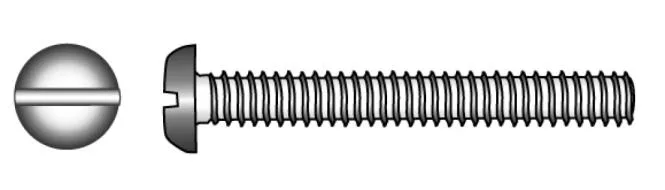
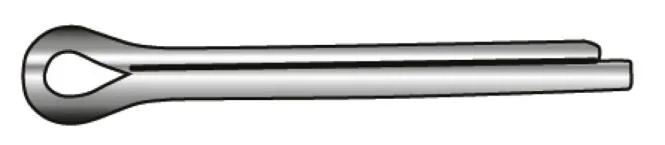
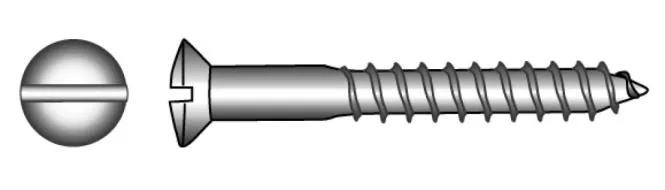
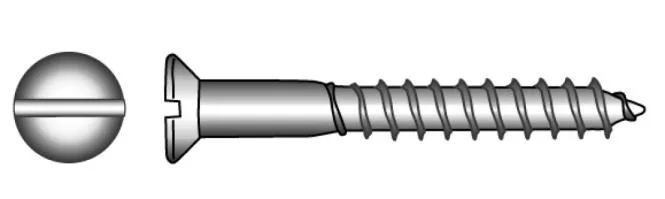
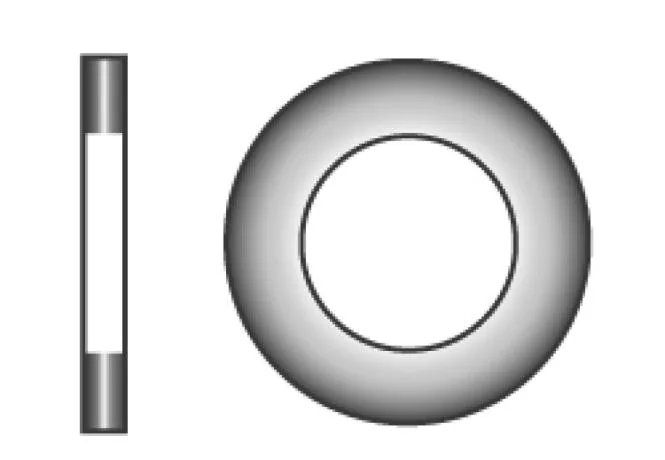
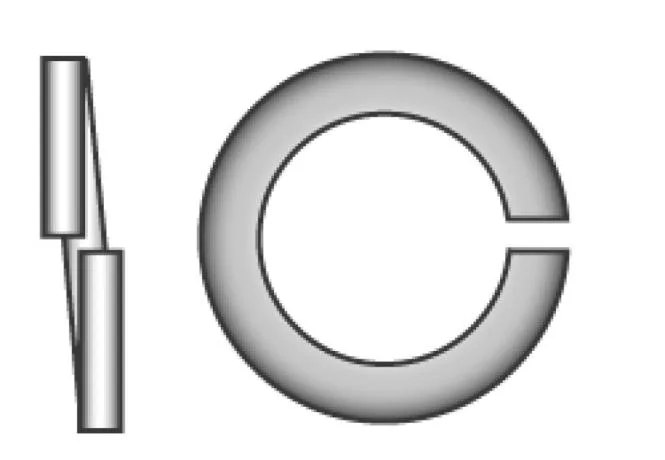
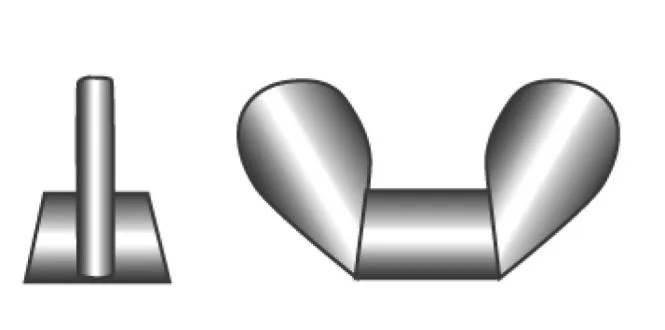
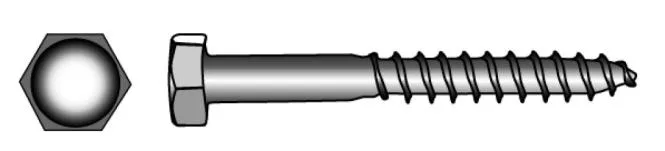
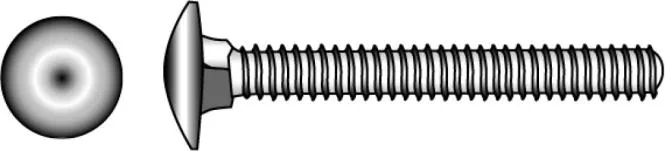
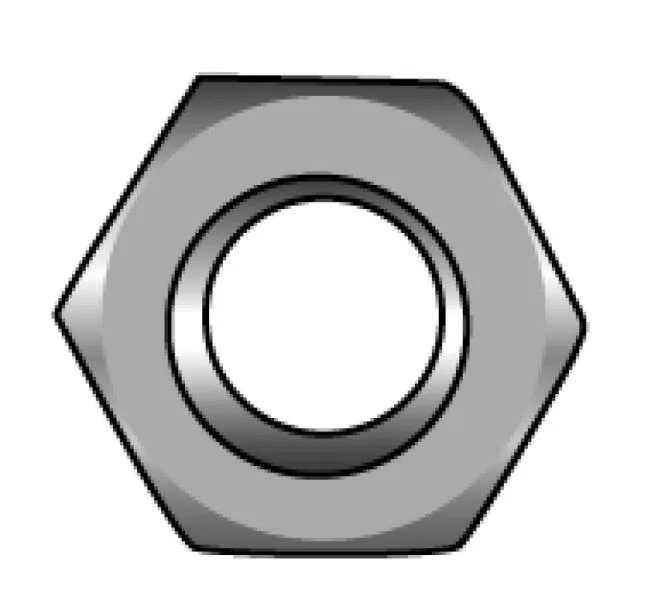
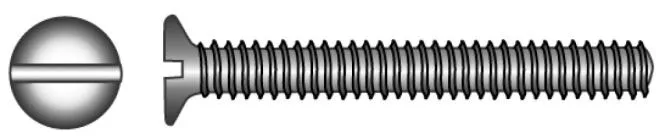
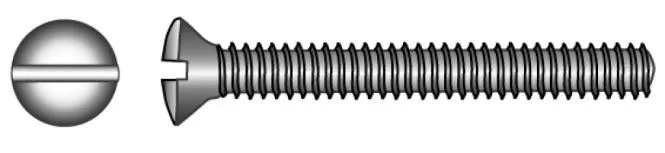
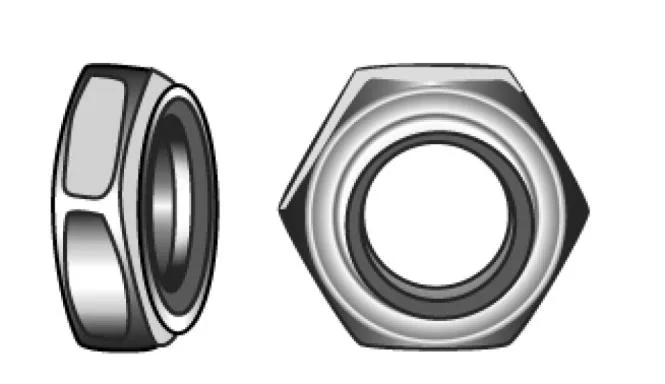
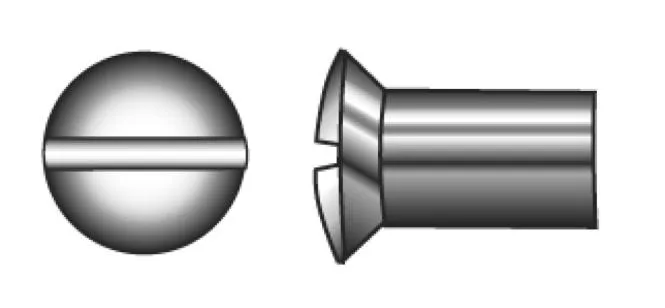
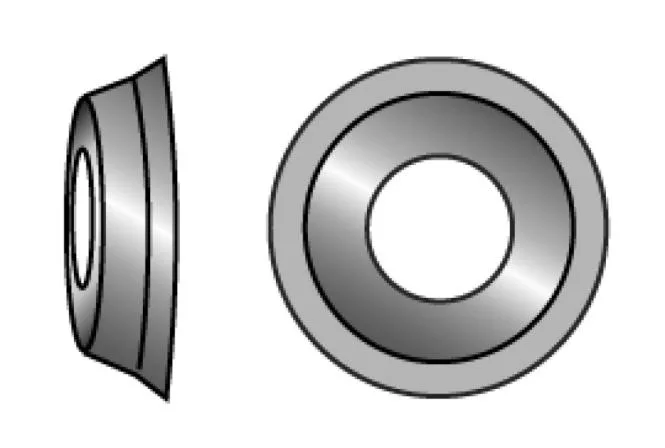
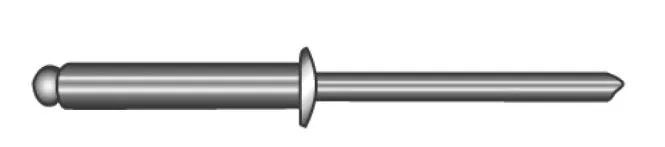
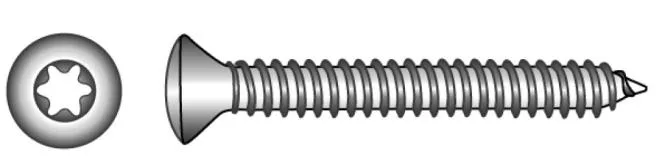
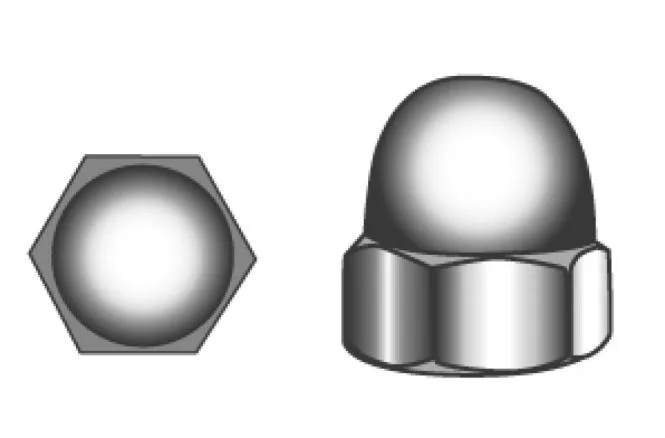
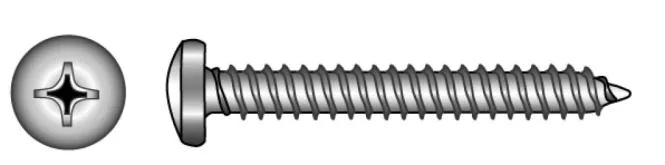
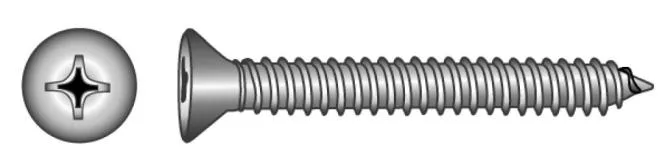
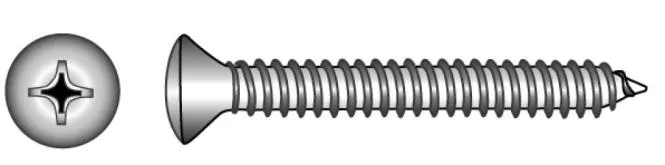
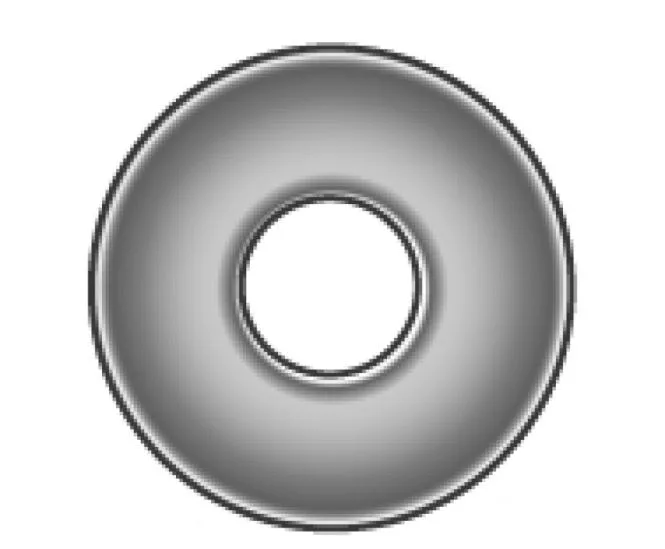
Stainless steel screws, nuts, washers, spring washers, split pins and blind rivets in small quantities in self-service blister packs, separated into stainless steel A2 and A4, plus assortment boxes with mixed sizes of screws, nuts, washers, split pins, shackles, snap hooks, hose clips and Monel blind rivets. This suits you if you need only a few pieces of one size.
Self-service blister packs stainless steel A4: the same standard parts in A4, plus further hexalobular socket screws to ISO, countersunk wood screws in bronze, Monel blind rivets and ring split pins.
Assortment boxes: several sizes of one type in a single box, from screws and nuts through split pins and shackles to hose clips and blind rivets.
A2 or A4
The designations A2 and A4 come from ISO 3506, which classifies stainless steels for fasteners into steel groups according to their microstructure. A2 is the most commonly used stainless steel for fasteners. It is not intended for environments with chloride, such as swimming pools or marine environments. A4 is alloyed with molybdenum and is considerably more corrosion resistant. According to ISO 3506, A4 can be used in some environments containing chloride, but not in swimming pools with chloride as a cleaning agent and not in many marine environments. Choose a screw that is at least as resistant as the parts it joins. The grade cannot be determined reliably with a magnet: whether stainless steel is magnetic depends on the microstructure, not on the quality. More on this in the guide V2A, V4A or Duplex on the boat.
Quantity and packaging
Each blister pack contains the quantity stated for the version; we supply the blister packs in packaging units of ten blister packs. For the assortment boxes, the contents of each box are listed in the Technical data tab. Many DIN standards have meanwhile been replaced by ISO standards; the successor standards of the most important DIN standards are shown in the table under Self-service blister packs stainless steel A2.
Two assembly rules for stainless steel
If screw, nut and components are all made of stainless steel, the threads can cold weld and seize; a lubricant on the thread prevents this. And join different metals only if the fastener is equally noble or nobler than the component, otherwise there is a risk of contact corrosion on the less noble part in the presence of moisture.