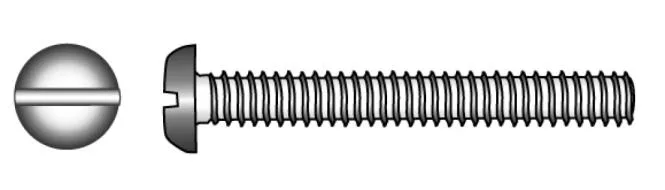
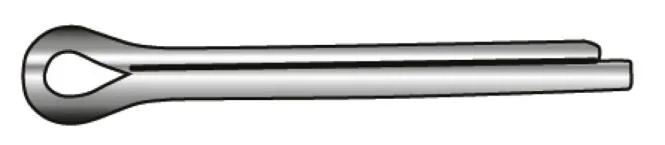
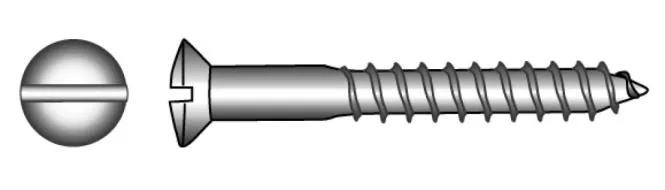
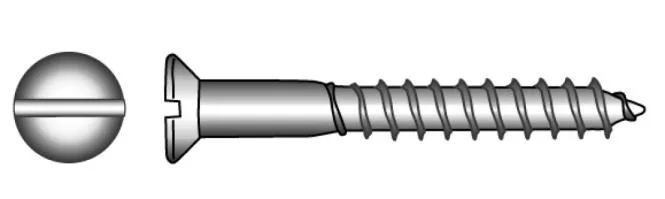
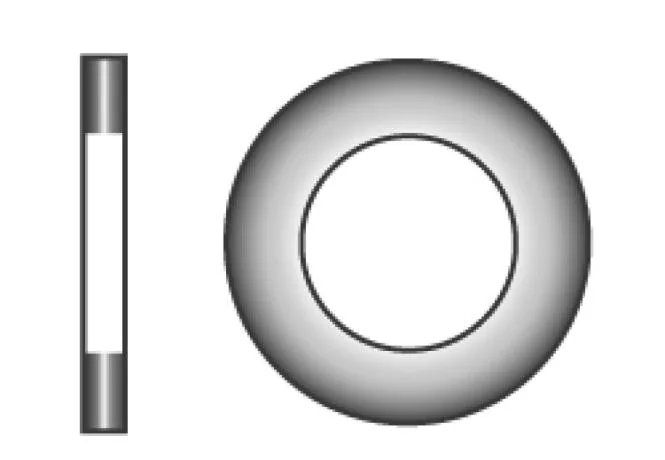
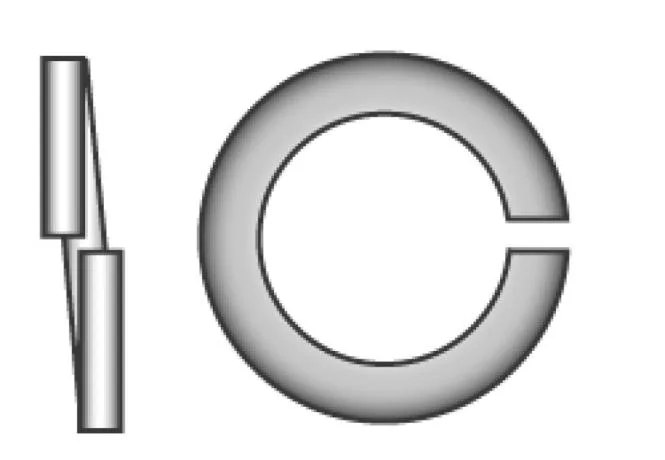
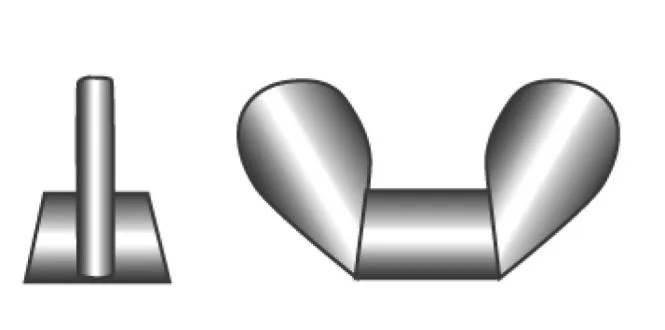
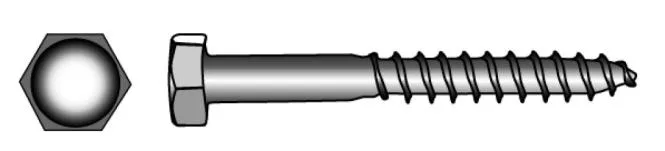
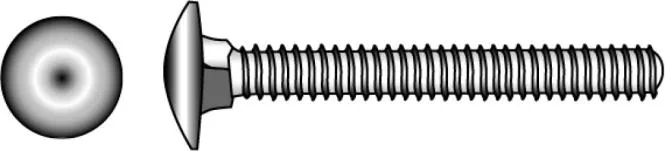
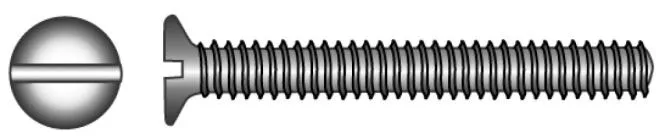
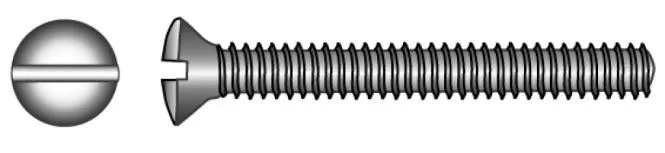
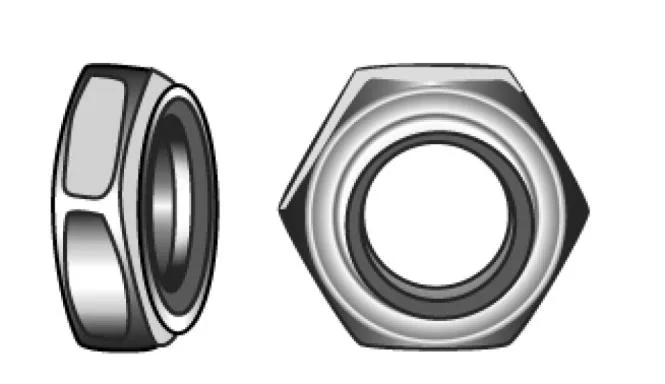
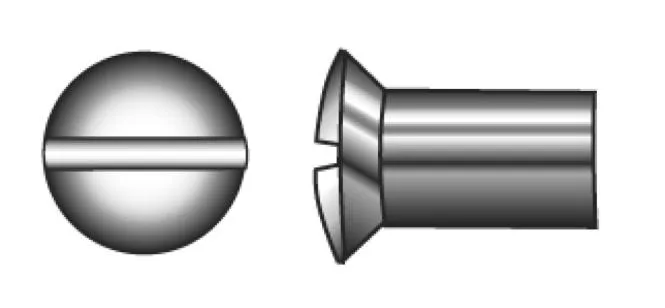
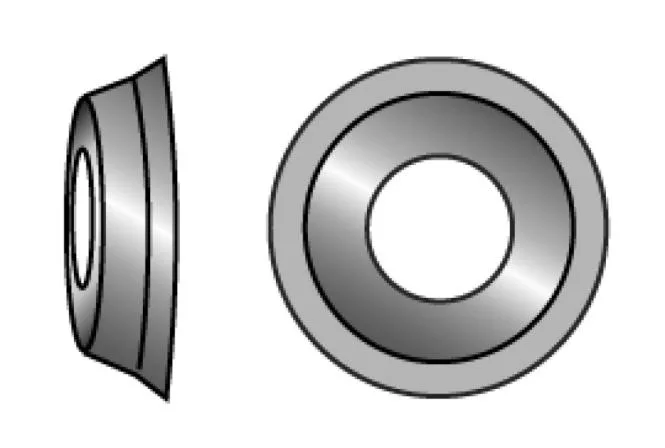
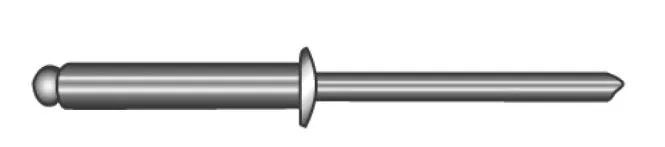
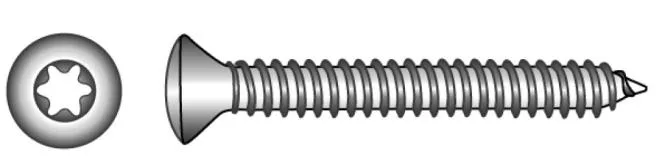
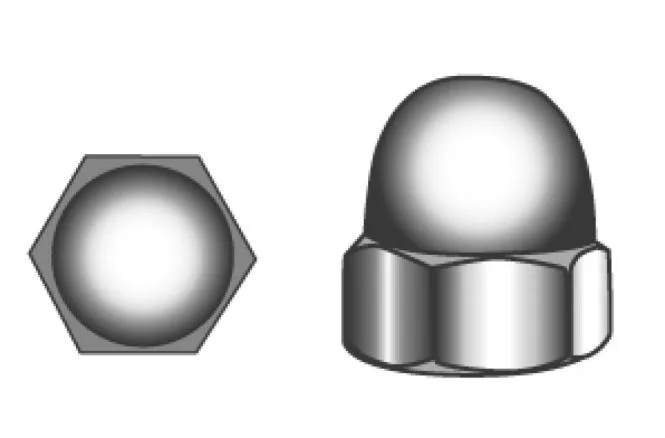
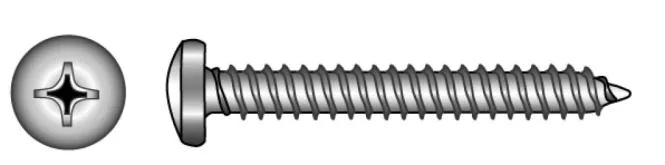
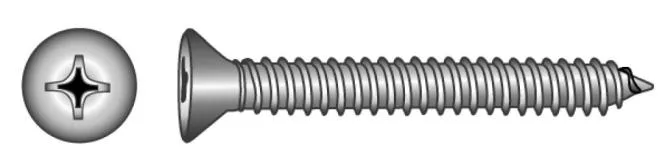
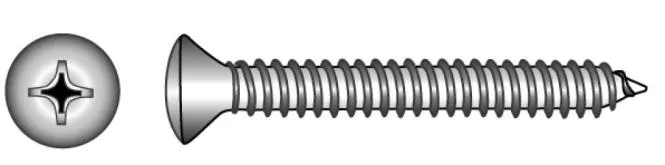
Screws, nuts and washers made of A2 stainless steel in self-service blister packs: cheese head, countersunk and raised countersunk slotted screws, hexagon head screws, cup head square neck bolts, wood screws and sheet metal screws, hexagon nuts, dome nuts, wing nuts and self-locking nuts, washers to DIN 125 and DIN 9021, spring washers made of 1.4310 and split pins.
Standard parts made of A2: selection and installation
Where A2 is suitable
A2 is the most widely used stainless steel for fasteners and is more corrosion resistant than A1. A2 is not intended for environments containing chloride, such as swimming pools or marine environments. A4 is considerably more resistant and can be used in some environments containing chloride, but according to ISO 3506 not in swimming pools with chloride as a cleaning agent and not in many marine environments; more at Self-service blister packs, stainless steel A4. Some standard parts are made of A1, which is less corrosion resistant than A2 because of its high sulphur content; the material is stated for each version.
DIN or ISO: the successor standards
Many DIN standards have been replaced by ISO standards. The dimensions are mostly the same, but for some sizes the widths across flats, head dimensions or the countersink angle have changed.
DIN
ISO
Change
DIN 84
ISO 1207
no significant changes
DIN 933
ISO 4017
new widths across flats for M10, M12, M14, M22
DIN 934
ISO 4032
new widths across flats and heights for M10, M12, M14, M22
DIN 963, DIN 964
ISO 2009, ISO 2010
minor differences in head height and head diameter
DIN 985
ISO 10511
new widths across flats for M10, M12, M14, otherwise lower nut height
DIN 7981
ISO 7049
no significant changes
DIN 7982, DIN 7983
ISO 7050, ISO 7051
countersink angle 90 instead of 80 degrees
DIN 94
ISO 1234
no significant changes
If a countersunk sheet metal screw is to fit into an existing countersink, therefore pay attention to the standard. DIN 127 for spring washers has been withdrawn without replacement.
Installation notes
Galling: Stainless steel on stainless steel tends to cold weld. Self-locking nuts to DIN 985 sometimes seize because of the high flank pressure in the locking part; a friction-reducing agent on the bolt thread helps.
Locking: Nuts with a locking part are a captive device: they prevent parts from falling apart, but not a loss of preload. Austenitic steels such as A2 are not spring-hard; the spring washers are therefore made of 1.4310, which has limited spring-hard properties but only partially reaches the spring action of spring steel.
Sheet metal screws: Stainless steel sheet metal screws are considerably softer than hardened steel sheet metal screws and require a pilot hole suited to the sheet thickness and material.
Wood screws: In very hard wood, with a small edge distance and in narrow pieces, drill a pilot hole first.